
Chaharshanbe Suri
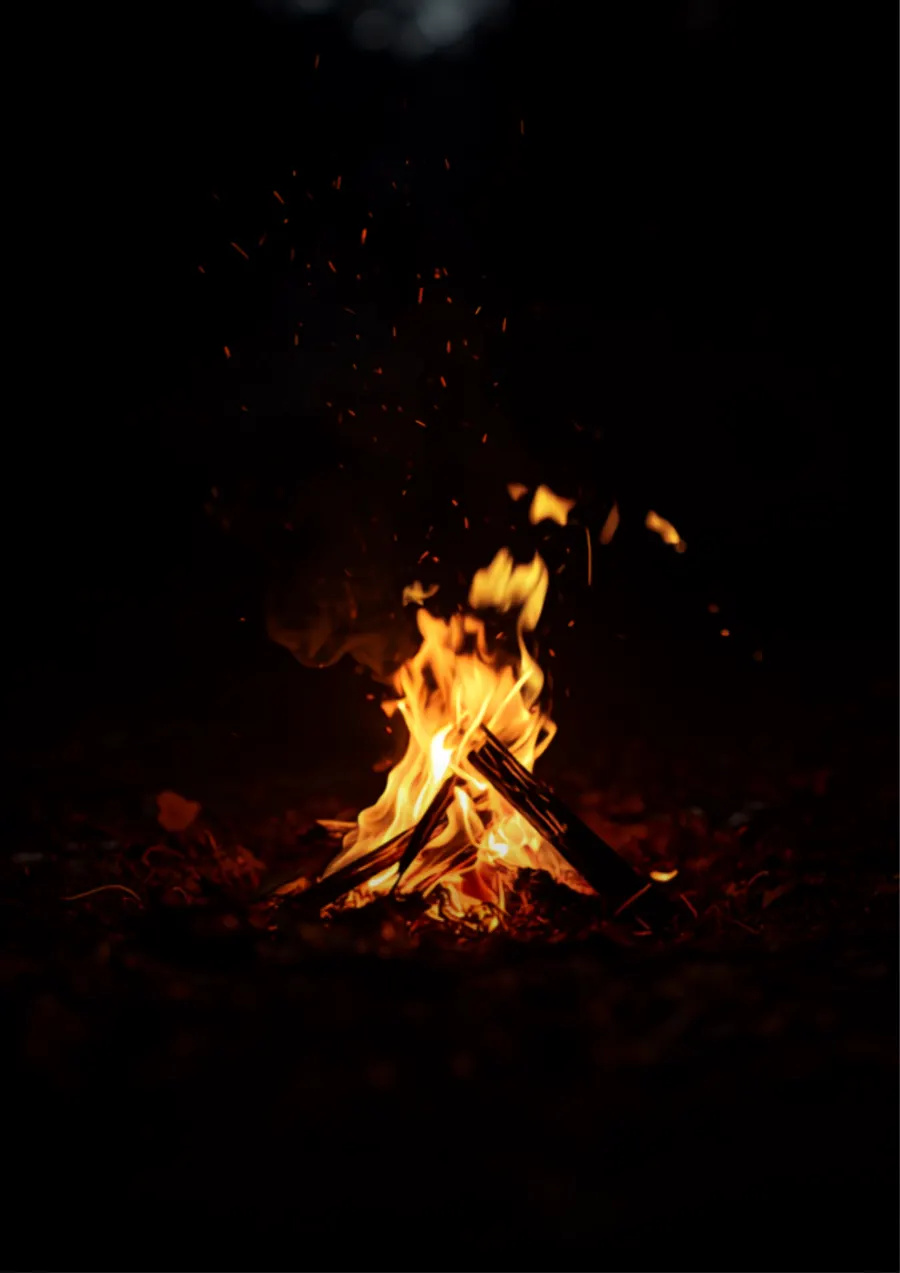
The last Tuesday night before Norooz, when people leap over small fires whispering 'give me your redness, take my paleness.'
Chaharshanbe Suri is the eve of the last Wednesday of the Iranian year, so it is kept on the Tuesday night, usually in the middle of March. Chaharshanbe is Wednesday and suri means festive or red. It is the first event of the Norooz season rather than a separate holiday.
Small fires are lit in the street and people jump over them calling out sorkhi-ye to az man, zardi-ye man az to: give me your redness, take my paleness. The exchange is the whole point. Red is health and the fire's vigour, yellow is sickness and winter pallor, and the year is being started clean.
Fire is treated as something to leap over rather than something to worship, a distinction Iranians make often when the night is described from outside. The practice is old, plainly pre-Islamic in origin, and has survived periods when it was discouraged.
Two customs travel with it. Qashogh-zani, spoon banging, sends children to knock at doors with a spoon and a bowl for sweets, which resembles trick or treating and long predates it in Iran. And ajil-e moshkel-gosha, the problem-solving mix of nuts and dried fruit, is shared afterwards.
It is also the noisiest night of the Iranian year, and in modern Iran the fireworks cause enough injuries that hospitals staff for it. Hamdam marks the night and the fortnight of Norooz that follows.
Chaharshanbe Suri arrives in 162 days.
Chaharshanbe Suri arrives in 526 days.
Chaharshanbe Suri arrives in 890 days.
Chaharshanbe Suri arrives in 1261 days.
Hamdam keeps the days that matter where you come from, and where you live.